
Tip & Trick
Microsoft OneNote 2013 remains a powerhouse for digital note-taking, but many users miss its most powerful features. These 10 underutilized tips will transform how you organize, search, and collaborate in OneNote—boosting your productivity without switching tools.
Quick Notes with Windows Ink
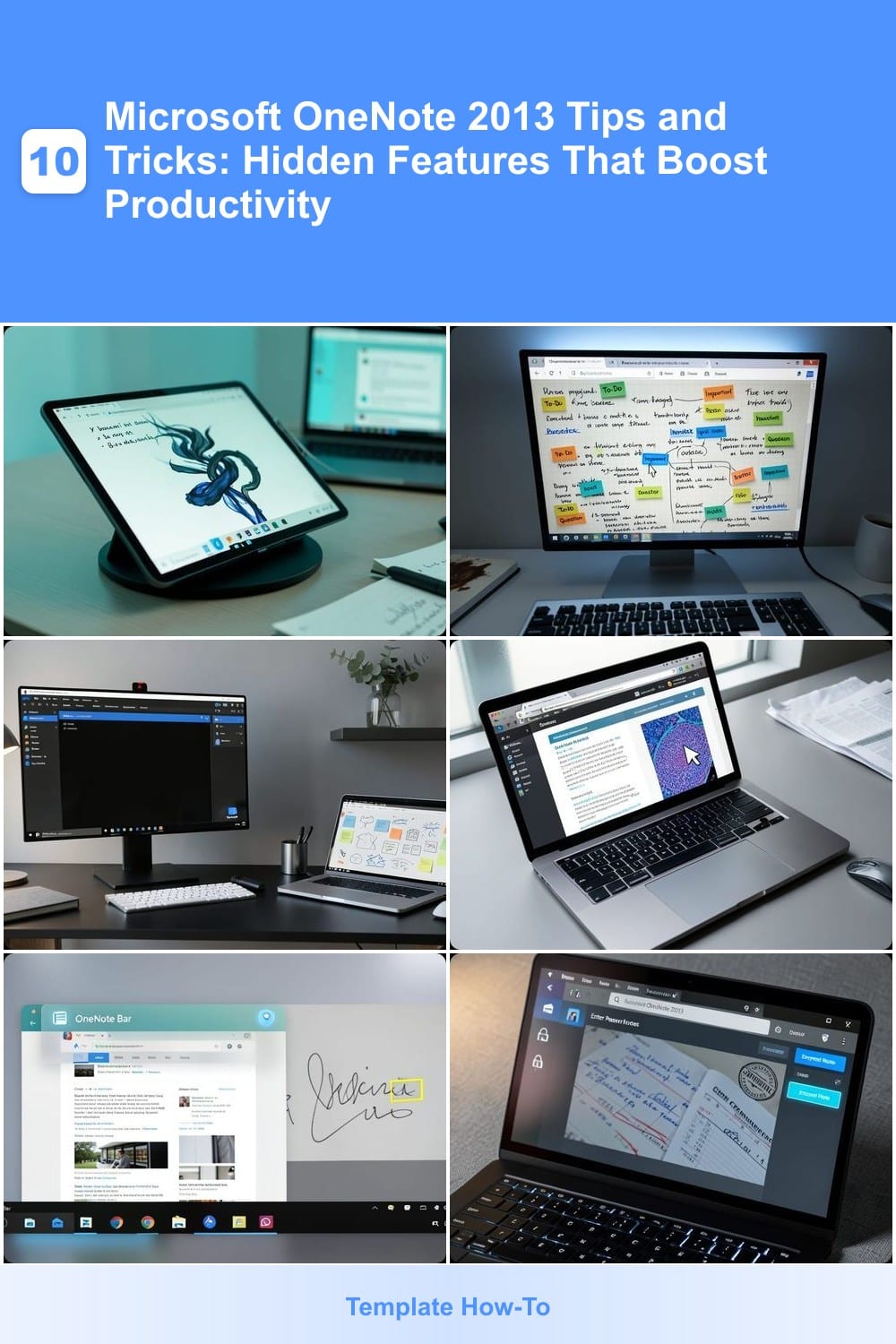
Need to capture a fleeting idea or sketch without interrupting your workflow? Windows Ink in OneNote 2013 lets you instantly jot down notes or drawings using touch or a stylus—no need to open OneNote first. This seamless integration works across apps, so you can scribble reminders while reading emails, sketch diagrams in Excel, or brainstorm during meetings without losing focus.
The feature supports pressure sensitivity and customizable ink colors, making handwritten notes look polished. Plus, your ink converts to searchable text automatically, so you can find handwritten ideas later. Whether you’re using a Windows tablet, Surface, or even a touchscreen laptop, this tool turns any screen into a canvas for quick capture.
Perfect for students sketching formulas, designers drafting ideas, or professionals jotting meeting notes—Windows Ink keeps your thoughts flowing without the friction. Try it and never lose another spontaneous idea again. 💡
Tagging System for Smart Searching
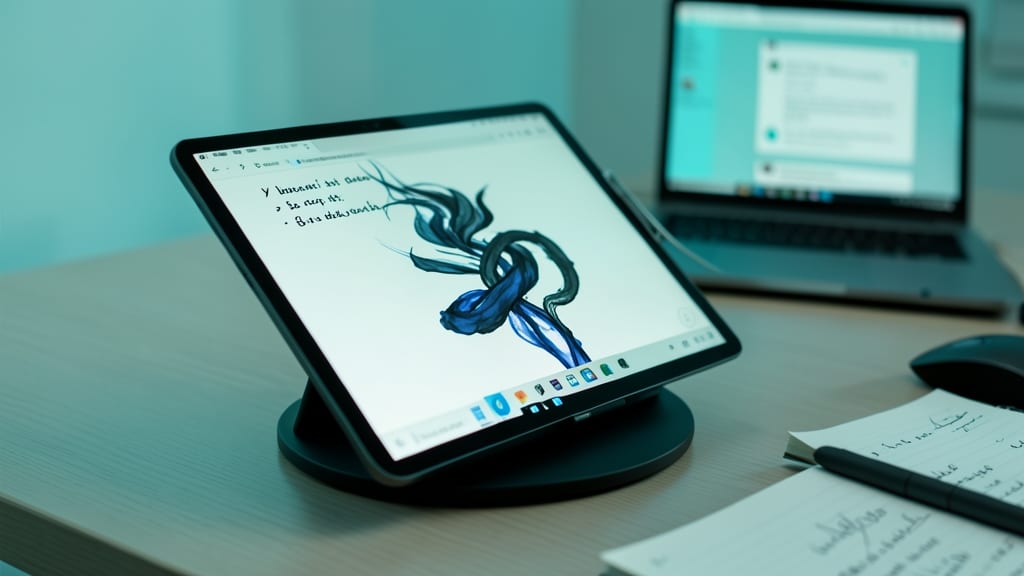
Drowning in a sea of notes where important details get lost in the shuffle? OneNote 2013’s tagging system turns chaos into clarity by letting you slap labels like "To-Do", "Important", or "Question" directly onto text—then watch OneNote’s search function highlight only the tagged content when you query it.
To use it, simply right-click any text, select Tags, and pick a color-coded category (red for urgent, yellow for questions, etc.). When you search later, OneNote automatically filters results by tag, saving hours of manual scrolling. Pro tip: Combine tags with search operators like tag:Important AND "project X" for laser-focused retrieval. This feature is a lifesaver for students organizing lecture notes or professionals tracking action items across meetings.
No more guessing where you stashed that critical detail—just tag it once and let OneNote’s smart search do the heavy lifting. Perfect for anyone juggling multiple projects where context matters. 💡
Inserting Audio and Video Clips
Need to capture a lecture, interview, or brainstorming session where words alone won’t do? OneNote 2013’s audio and video embedding turns your notes into a multimedia powerhouse. Simply click the Insert tab, select Audio or Video, and record directly into your page—or import clips from your device.
You can add voice memos with timestamps for easy navigation, or embed video clips (up to 2GB) to include visual context. The clips play inline, so you don’t lose focus jumping between apps. Perfect for students reviewing recordings, journalists transcribing interviews, or creatives documenting ideas on the fly.
This feature works seamlessly with Windows Media Player for playback, and clips sync just like text notes—no extra steps. ⚡
Dragging and Dropping from Web
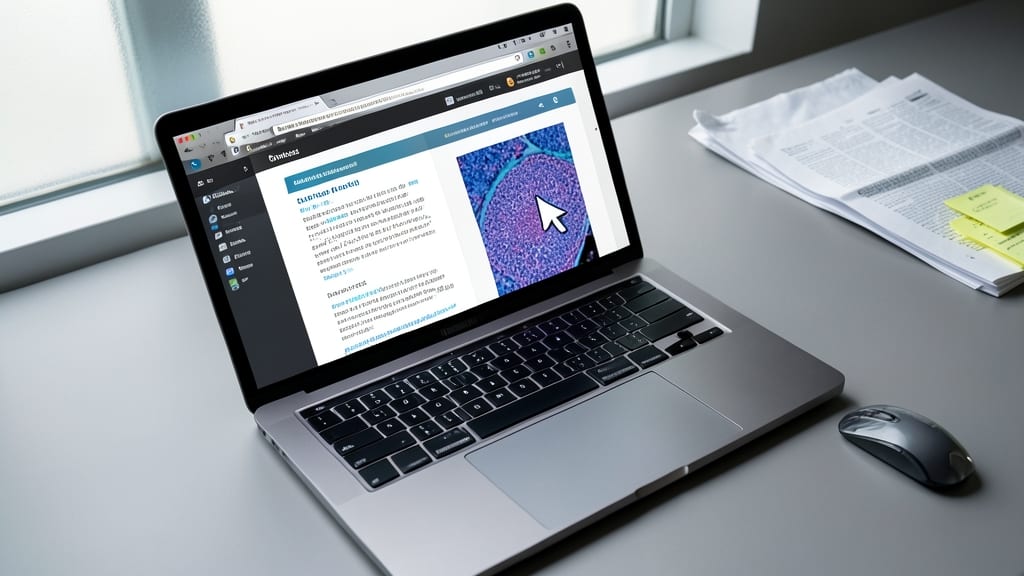
Tired of losing track of research articles or important images while browsing? OneNote 2013’s drag-and-drop web integration lets you save entire web pages, images, or files directly into your notebooks with a simple click-and-drag motion. No more juggling bookmarks or copying-pasting—just drag your desired content from the browser and drop it straight into OneNote.
This feature works seamlessly with Chrome, Firefox, and Edge, preserving formatting and links for articles. You can even drag PDFs, images, or entire web pages into a blank OneNote page, where they’ll render as interactive content. Researchers, writers, and content curators will love how this eliminates the need for separate bookmark managers or manual downloads.
Perfect for academics collecting sources or creatives saving inspiration, this trick turns OneNote into your digital scrapbook. ⚡
Quick Capture with OneNote Bar
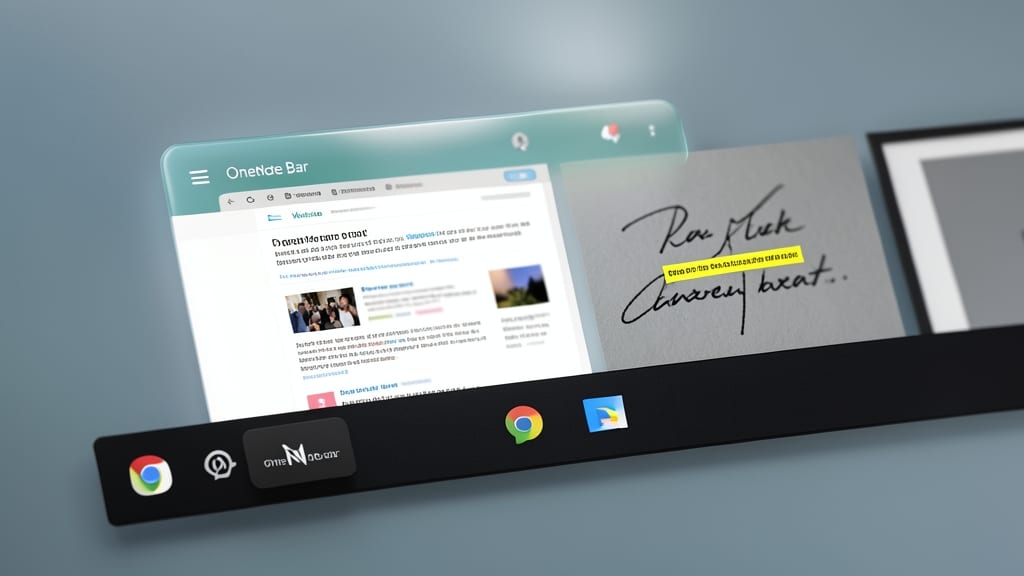
Tired of opening OneNote just to jot down a quick idea or screenshot? The OneNote Bar solves that with a one-click solution—pin it to your taskbar and capture anything instantly, whether it’s a full webpage, a snippet of text, or a screenshot. No app-switching, no delays, just pure efficiency.
Right-click your taskbar, select Toolbars, then check OneNote Bar to enable it. Once pinned, you’ll get three key tools: a screenshot tool (for full or partial captures), a text clipper (to extract text from any window), and a quick note launcher. It syncs automatically with your OneNote notebooks, so nothing gets lost in the shuffle. Perfect for developers debugging code snippets, designers saving inspiration, or anyone who needs to preserve fleeting ideas.
This trick is a game-changer for multitaskers—whether you’re coding, researching, or just working through a to-do list. Try it and never miss a moment of inspiration again. ⚡
Password-Protecting Sensitive Notes
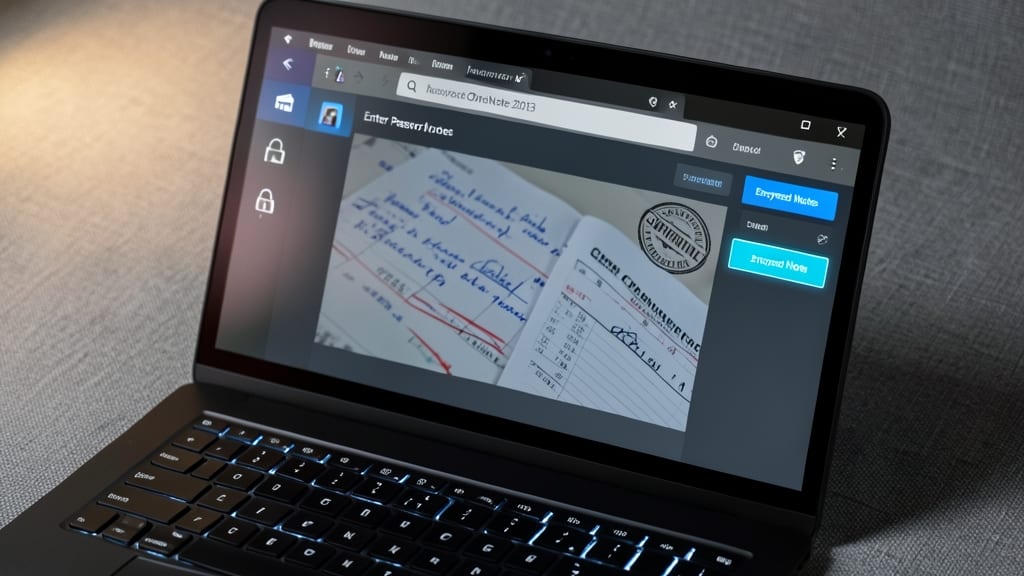
Tired of leaving sensitive notes exposed in your OneNote? Password-protecting sections or entire notebooks adds a critical security layer—no third-party tools required. OneNote 2013 lets you encrypt client case files, financial records, or personal journals with a simple password prompt, ensuring only authorized users can access them.
To set it up, right-click a section or notebook, select Password Protect, then enter your chosen passcode. The feature works seamlessly with local and cloud-stored notebooks, so your data stays secure whether you’re offline or syncing. For extra peace of mind, enable Windows BitLocker alongside OneNote for full-disk encryption on your device.
This trick is a game-changer for lawyers, accountants, or anyone handling confidential data. Protect your notes without sacrificing OneNote’s flexibility—just add a password and rest easy. ✨
Linking Notes Across Notebooks
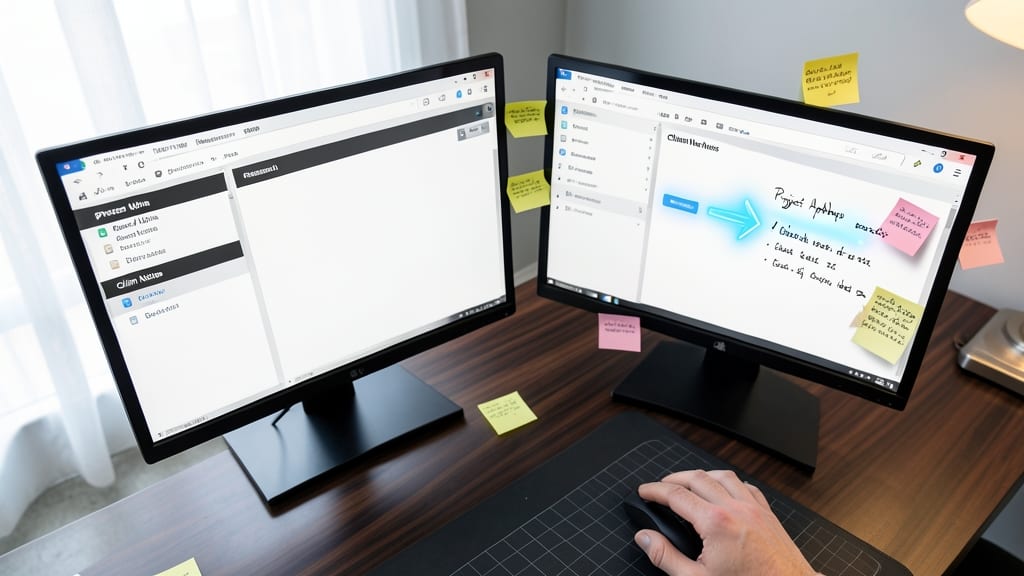
Struggling to keep related notes organized across multiple notebooks? OneNote 2013’s cross-notebook linking lets you create hyperlinks between pages—even in different notebooks—so your ideas stay connected without the chaos. This feature turns your notes into a dynamic, web-like knowledge base where one click takes you from a project outline to detailed research or meeting minutes.
To create a link, simply select text or an object, right-click, and choose "Link to" > "Another Page in This Notebook" (or "Another Notebook" if needed). OneNote generates a live hyperlink that updates automatically if you move the linked page. You can even link to external files or web pages for seamless reference management. For students, this means tying lecture notes to research sources; for project managers, it’s about linking action items to full meeting transcripts.
This trick is a game-changer for anyone managing complex topics—like a student juggling coursework or a project manager tracking multiple deliverables. No more flipping between notebooks; just follow the thread of your thoughts effortlessly. ✨
Undo and Redo Shortcuts
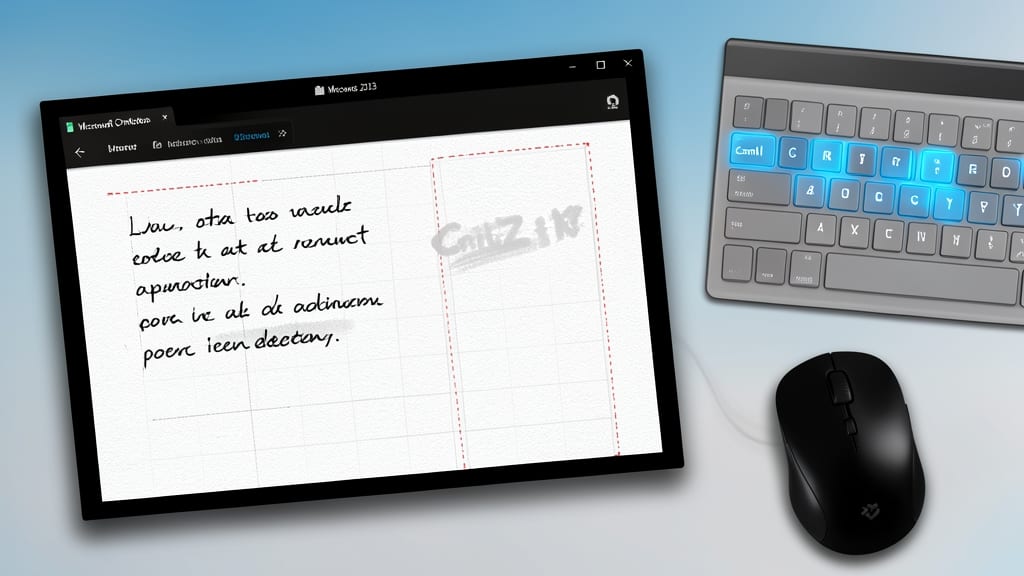
Ever accidentally delete a paragraph or mess up formatting in OneNote? The Ctrl+Z and Ctrl+Y shortcuts are your safety net—undoing and redoing actions in seconds without hunting for menu options.
These universal commands work seamlessly across text, drawings, and tables, letting you experiment fearlessly. OneNote even supports multi-level undo (up to 100 steps back!), so you can fix complex edits without stress. Pro tip: Hold Shift+Ctrl+Z to undo multiple actions at once.
Perfect for designers, writers, or anyone juggling multiple edits—no more second-guessing your changes. ⚡
Customizing Quick Notes Layouts
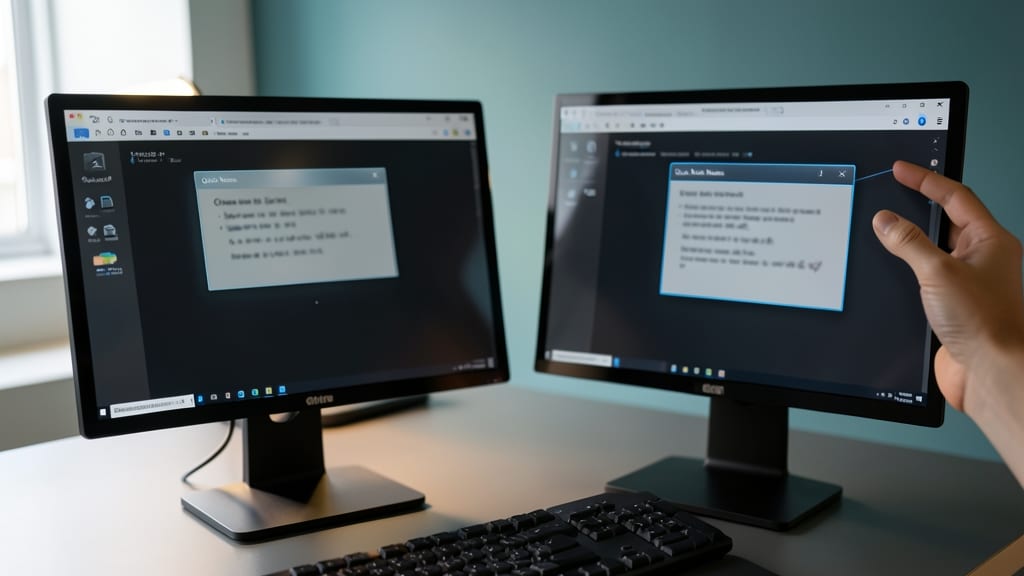
Tired of Quick Notes popping up in the same spot every time? OneNote 2013 lets you drag, resize, and reposition these windows with zero hassle—perfect for multitaskers who need notes exactly where they’re useful.
Simply click and drag the window edges to adjust size, then move it to your second monitor, float it over Excel, or stack multiple notes side-by-side. The transparent background option even lets you overlay notes on other apps without distraction. No extra tools or settings required—just point and click.
Ideal for developers debugging code, designers sketching mockups, or anyone juggling multiple apps. Your workspace, your rules. ✨
Offline Access with Local Notebooks
Ever found yourself stranded without internet access, only to realize you needed a critical note? OneNote 2013’s local notebooks feature lets you store entire notebooks on your device—no sync required. Simply create a new notebook, save it to your hard drive, and access it instantly, even on a plane or in a meeting with spotty Wi-Fi.
The process is simple: right-click your notebook in the navigation pane, select Move or Copy, then choose Local Notebooks. This creates a standalone file you can open offline, edit, and later sync back to OneDrive when you reconnect. The best part? No setup hassle—just point and click. Perfect for travelers, field workers, or anyone who values uninterrupted productivity.
This trick is a game-changer for remote workers or students who need reliable access to notes during lectures or presentations. Never miss a beat again! 💻