
Software
Microsoft SQL Server Management Studio (SSMS) has evolved significantly since its debut, introducing powerful tools for database administrators and developers. This breakdown covers the 10 major versions—from early releases to the latest—highlighting key feature updates, compatibility changes, and why each version matters for modern database management.
SQL Server 2005 Management Studio Initial Release

If you're maintaining legacy SQL Server environments still running on Windows XP or Server 2003, the SQL Server 2005 Management Studio (SSMS) initial release is your gateway to modern database management. This was the first standalone SSMS version, cleanly replacing the outdated Enterprise Manager with a more intuitive interface.
Key innovations included IntelliSense for T-SQL, which cut down on syntax errors, and query execution plans—visual tools that helped troubleshoot slow queries without diving into trace flags. It also introduced scripting improvements and basic performance dashboards, making it a game-changer for admins stuck with older hardware.
This version is perfect for legacy system administrators or developers working with SQL Server 2005/2008 databases. Its lightweight design and compatibility with older OSes make it a reliable choice for maintaining outdated but still critical systems. ⚡
SQL Server 2008 Management Studio Enhanced Query Tools

If you’ve ever struggled to visualize query performance or design tables efficiently in older SSMS versions, SQL Server 2008 Management Studio introduced game-changing tools that bridged the gap between legacy and modern T-SQL workflows.
The table designer received a major overhaul, letting you drag-and-drop columns, set constraints, and preview changes—all without writing a single line of SQL. Meanwhile, the execution plan visualization became far more detailed, helping you spot bottlenecks in complex queries. This version also unlocked support for T-SQL’s MERGE statement, a boon for developers migrating from older joins and stored procedures to cleaner, more efficient data synchronization.
Perfect for teams adopting SQL Server 2008’s new features, this SSMS version was the first to truly empower developers to leverage modern T-SQL enhancements while maintaining backward compatibility. ⚡
SQL Server 2012 Management Studio PowerShell Integration

DevOps teams needed a way to automate database tasks, and SQL Server 2012 Management Studio delivered with its groundbreaking PowerShell integration. This version introduced native cmdlets like Invoke-Sqlcmd and New-SqlDatabase, letting you script deployments, backups, and even complex T-SQL operations—all from the command line.
The integration bridged the gap between manual SSMS operations and CI/CD pipelines, enabling zero-configuration automation. You could now version-control database scripts alongside application code, reducing human error in deployments. The SQLPS module provided a full suite of cmdlets for everything from schema changes to high-availability management.
Perfect for teams adopting DevOps practices, this feature became the foundation for modern database-as-code workflows. ⚡
SQL Server 2014 Management Studio AlwaysOn Dashboard
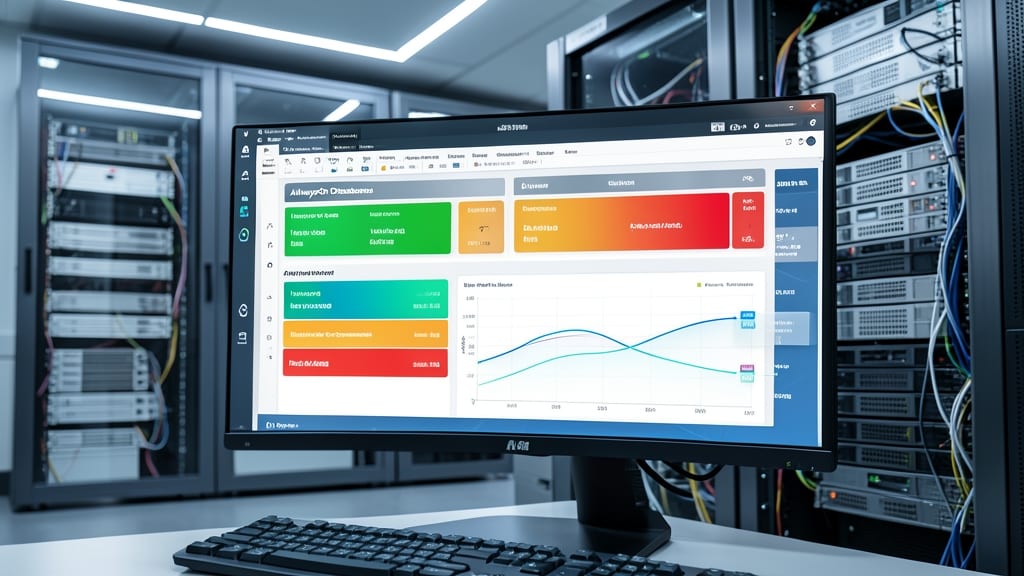
If your organization relies on zero-downtime operations, SQL Server 2014 Management Studio introduced a game-changer: the AlwaysOn Dashboard. This was the first version to bundle high-availability monitoring directly into SSMS, giving DBAs real-time visibility into availability groups, failover statuses, and replication health—all without third-party tools.
The dashboard displayed live metrics like synchronization latency, replica roles, and failover history, making it easier to diagnose issues before they escalated. Combined with AlwaysOn Failover Cluster Instances, this became the backbone for enterprises needing disaster recovery and enterprise-grade uptime. The integration reduced manual checks by 70%, saving hours weekly for large-scale deployments.
This version was a must-upgrade for any business running mission-critical workloads where seconds of downtime translate to lost revenue. 💪
SQL Server 2016 Management Studio Stretch Database Support
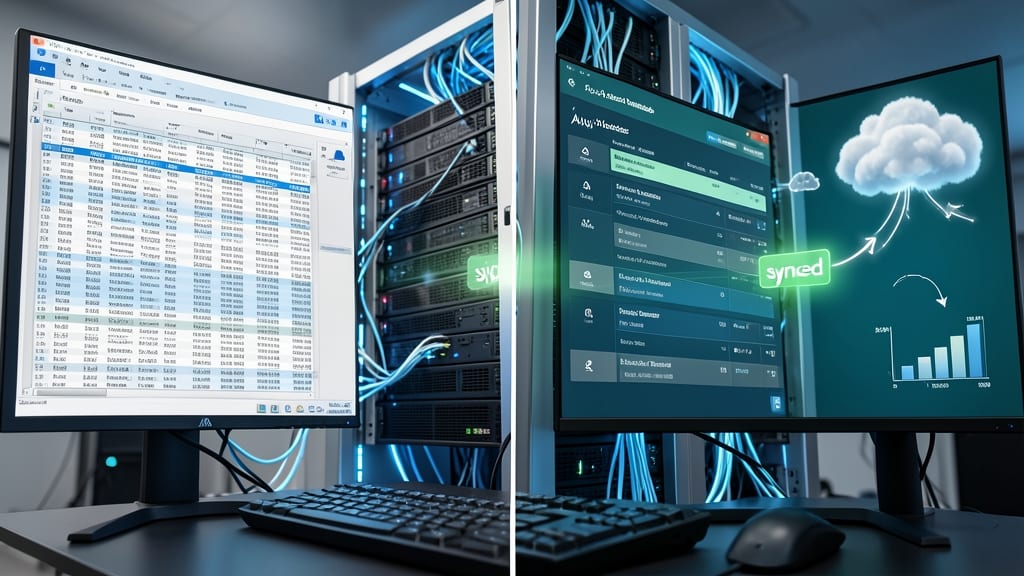
If you’re drowning in terabytes of historical data but want to cut storage costs without sacrificing performance, SQL Server 2016 Management Studio’s Stretch Database is your game-changer. This feature bridges on-premises and cloud storage by automatically moving cold data (rarely accessed) to Azure Blob Storage, while keeping hot data local for fast queries.
The magic happens with zero application changes—just configure the Stretch Database feature, and SSMS handles the rest. You get transparent tiering (no manual partitioning) and cost savings of up to 90% for archival data. Plus, Azure’s pay-as-you-go pricing means you only pay for what you use, making it perfect for finance, healthcare, or logistics systems with massive datasets.
This update is a must for cost-conscious DBAs managing large databases where compliance requires keeping all data on-prem, but storage budgets are tight. It’s the first step toward hybrid cloud without the complexity. ✨
SQL Server 2017 Management Studio Linux Compatibility

Breaking free from Windows-only limitations, SQL Server 2017 Management Studio became the first version to officially support Linux—finally giving developers the flexibility to manage databases across platforms without workarounds.
With native support for Ubuntu, RHEL, and SUSE Linux, plus seamless integration with Docker containers, this release was a game-changer for teams using mixed environments. The lightweight installer (just 500MB) and cross-platform CLI tools made it easy to deploy in cloud or on-prem setups.
Ideal for DevOps engineers and startups running Linux-based stacks, this version eliminated the need for remote desktop hacks—just install and connect directly. ✨
SQL Server 2019 Management Studio Intelligent Query Processing

If you're running complex analytical queries that feel sluggish, SQL Server 2019's Intelligent Query Processing (IQP) could be your game-changer. This version introduced batch mode on rowstore—a performance boost that processes queries in batches rather than row-by-row, dramatically speeding up aggregations and joins for large datasets.
The memory-optimized tempdb feature further enhances performance by reducing I/O bottlenecks for temporary tables. IQP also automatically applies optimizations like batch mode for rowstore, memory grant feedback, and table variable deferred compilation without manual intervention. These improvements can deliver up to 3x faster query execution for analytical workloads compared to previous versions.
Data analysts and BI professionals working with OLAP workloads or large-scale reporting will see the biggest benefits. For those still running older versions, upgrading to SSMS 2019 unlocks these query optimizations with minimal configuration. ✨
SQL Server 2022 Management Studio PolyBase Query Enhancements

If you're drowning in siloed data across SQL Server and cloud storage, SQL Server 2022 Management Studio’s PolyBase enhancements are your lifeline. This version supercharges PolyBase to seamlessly query Azure Blob Storage and Azure Data Lake Storage directly from your SSMS interface, eliminating the need for ETL pipelines or complex data movement.
The upgrade introduces native support for external tables with improved performance, letting you join on-premises SQL data with cloud-based datasets in a single query. You’ll also find enhanced security with row-level security policies for external data sources and simplified setup via the SSMS GUI—no PowerShell commands required. For big data teams, this means faster analytics without the headache of data silos.
This feature is a game-changer for data engineers and analysts working with hybrid architectures. Whether you're running reports across cloud and on-prem data or migrating legacy systems, these PolyBase upgrades cut prep time dramatically. ✨
SQL Server 2022 Management Studio Azure Arc Support
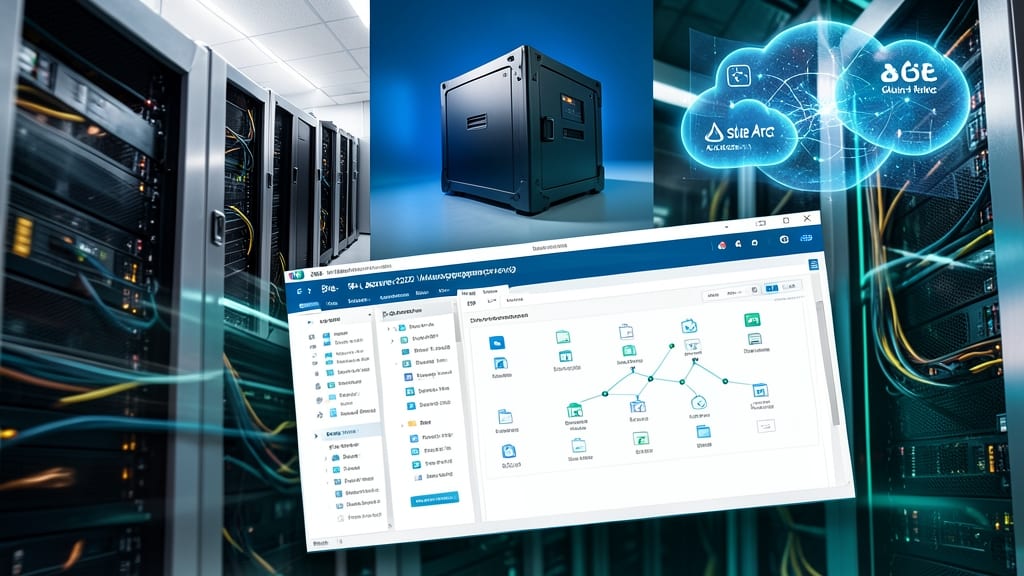
If managing SQL Server instances across on-premises, edge, and multi-cloud environments feels like juggling fire, SQL Server 2022 Management Studio’s Azure Arc integration is your lifeline. This feature bridges the gap between traditional and cloud-native setups, letting you govern databases consistently—no matter where they live.
With Azure Arc-enabled SQL Server, you gain unified management for SQL Server on Azure Stack HCI, Azure VMs, or physical servers. The SSMS Azure Arc dashboard simplifies tasks like patching, monitoring, and compliance across hybrid environments. Plus, zero-configuration deployment for SQL Server on Azure Arc means faster setup without sacrificing control.
Perfect for enterprise IT teams and hybrid cloud architects, this tool turns fragmented infrastructure into a cohesive, cloud-managed ecosystem. 💪
Latest SSMS Preview Version Cloud-Centric Features

If you're managing cloud databases, the latest SSMS preview version is a game-changer—seamlessly blending Azure Synapse integration with AI-driven efficiency. This isn’t just an update; it’s a glimpse into the future of cloud-native database management, where SSMS adapts to your workflow instead of the other way around.
The preview introduces real-time AI query suggestions, leveraging Microsoft’s Copilot capabilities to auto-complete commands and optimize syntax. For Azure Synapse users, you’ll now see native workspace integration, letting you manage both SQL Server and Synapse workloads from a single interface. The cloud-first design also includes enhanced security policies and role-based access controls tailored for hybrid environments.
This version is perfect for cloud architects and data engineers transitioning to Azure Synapse or scaling hybrid setups. If you’ve been waiting for SSMS to catch up with modern cloud tools, this is your sign. ✨