
Software
Microsoft’s new Teams reminders feature is a game-changer for productivity—but most users don’t know how to access it. These hidden menu tricks reveal how to set, customize, and automate reminders directly from Teams, saving you time and reducing missed deadlines.
How to Enable Reminders in Teams Mobile App
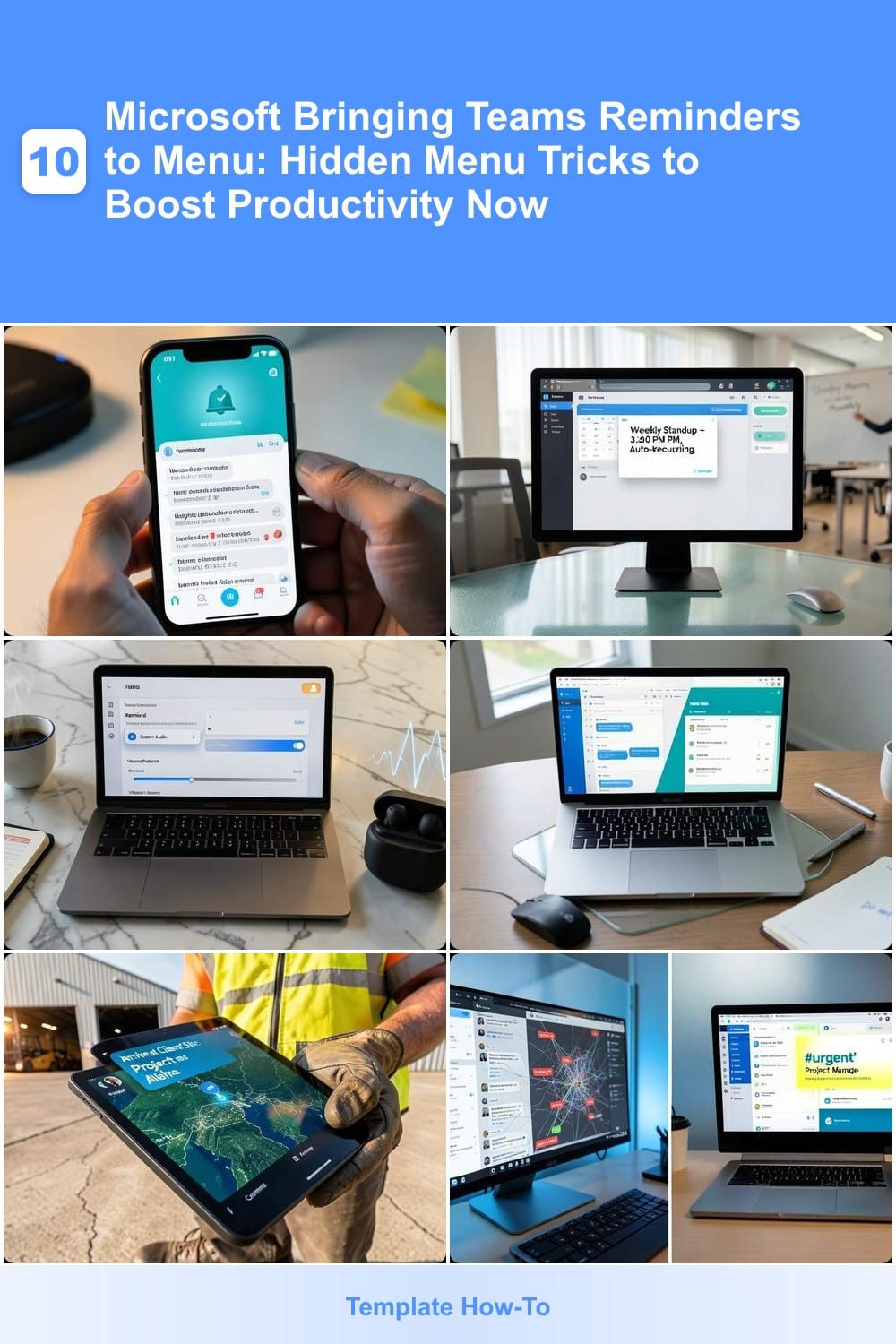
Forget juggling sticky notes or third-party apps—your Teams mobile app already has a built-in reminder system that works seamlessly with your phone’s notifications. Whether you’re waiting for a callback, tracking a deadline, or managing personal tasks, this feature turns your Teams chat into a productivity powerhouse without cluttering your inbox.
To enable it, open the Teams app on your phone, tap the three-dot menu (⋮) in the top-right corner, then select Reminders. From here, you can create time-based or location-based reminders, set due dates, and even attach files or links. The best part? Reminders sync across all your devices, so you’ll never miss a beat—whether you’re in a meeting or on the go. The interface is intuitive and fast, designed for mobile use with minimal taps.
This trick is perfect for sales professionals, remote workers, or anyone who spends more time on their phone than at a desk. No more forgotten tasks or last-minute scrambles—just real-time alerts that keep you organized. ⚡
Setting Recurring Reminders for Team Meetings
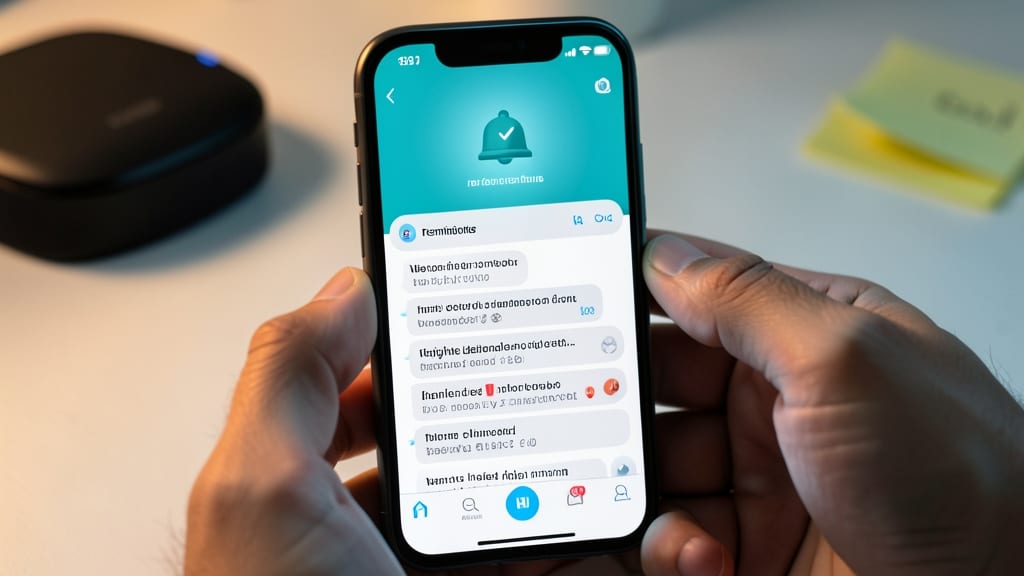
Struggling to remember weekly standups or monthly strategy sessions? Teams’ recurring reminders feature eliminates the guesswork by automating check-ins—no manual rescheduling needed. Simply create a reminder once, set it to repeat weekly, monthly, or on a custom schedule, and Teams handles the rest, ensuring no meeting slips through the cracks.
To set one, open the Reminders tab in Teams (desktop or mobile), click New reminder, and toggle Recurring to choose your frequency. Add a due date/time and optional notes (e.g., “Prep Q3 goals”), then save. Teams will auto-populate future dates, syncing across devices. The visual calendar integration makes it easy to spot conflicts before they happen.
This is a must-use for managers, team leads, or anyone coordinating regular syncs—whether it’s biweekly sprint reviews or quarterly client updates. Say goodbye to forgotten meetings and hello to effortless team coordination. 💻
Customizing Reminder Notifications with Sounds and Vibrations
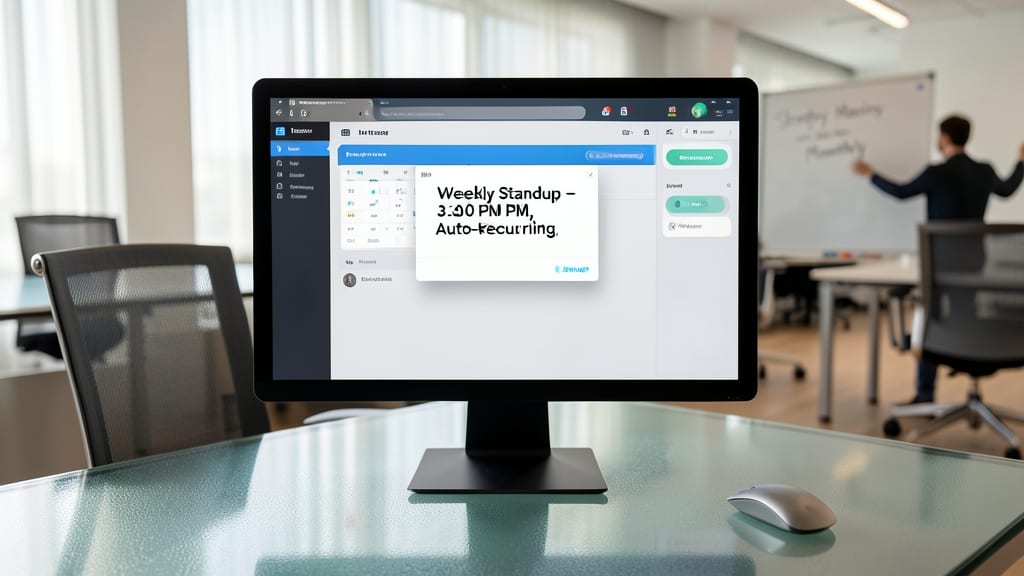
Drowning in generic notification sounds? Teams lets you assign custom audio and vibration patterns to reminders, so you can instantly recognize priorities—like a distinct chime for client deadlines or a subtle buzz for routine updates.
Navigate to Notification Settings in Teams, then select Reminders to choose from built-in tones or upload your own. Pair this with vibration intensity levels (e.g., strong pulses for urgent tasks) to avoid alert fatigue. The silent mode toggle ensures you can mute all sounds while keeping vibrations active in meetings.
This is a game-changer for remote workers or creatives juggling multiple projects—no more missed deadlines because an alert got lost in the noise. ✨
Linking Reminders to Outlook Calendar for Sync
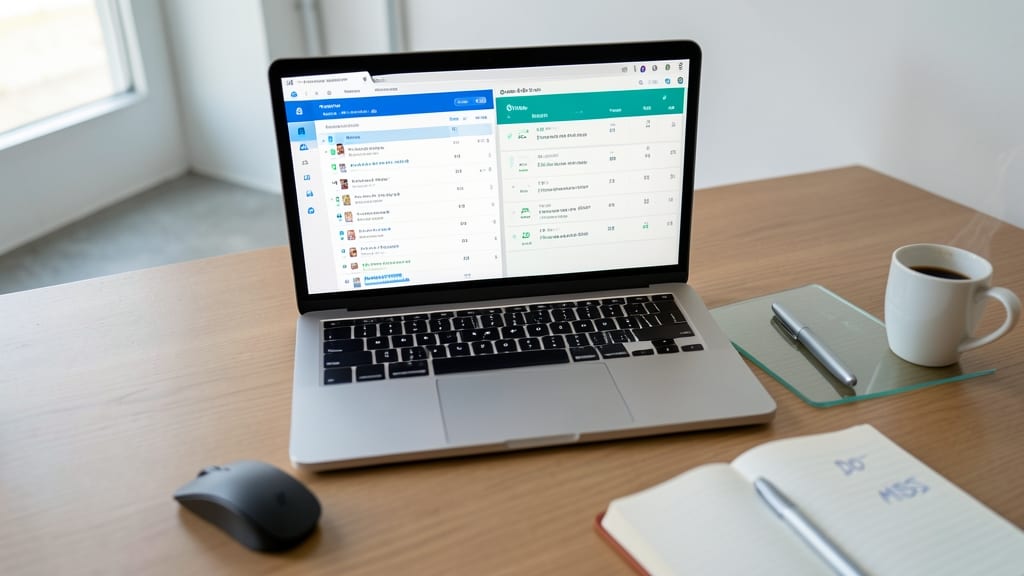
If you’re drowning in separate Outlook and Teams calendars, this trick saves you from double-checking every event. Microsoft’s cross-app sync ensures reminders set in Teams automatically appear in Outlook—and vice versa—so you never miss a deadline or double-book a meeting.
To enable it, go to Teams settings > Calendar > Sync with Outlook. Once activated, all reminders (personal or team-based) push to your Outlook calendar in real-time, complete with color-coded labels and priority flags. This works for both one-time and recurring reminders, making it ideal for hybrid workflows where emails and chats dictate your schedule.
Perfect for executives, project managers, or anyone juggling Outlook as their primary calendar but relying on Teams for collaboration. No more manual transfers—just seamless, zero-effort syncing. ✨
Creating Location-Based Reminders in Teams

Forget setting reminders based on time alone—Teams now lets you trigger alerts based on your exact location. Whether you’re a field technician arriving at a client site or a delivery driver leaving the warehouse, this feature ensures you never miss a critical task while on the move.
To set a location-based reminder, open the Teams mobile app, tap the three dots in the top-right corner, and select Reminders. Choose New reminder, then pick Location-based and set a radius (e.g., 50 feet from your client’s office). You can even add a custom notification like “Start client demo in 5 minutes” to keep your workflow smooth. The reminder fires automatically when you enter or exit the zone, and it syncs with your Teams feed for easy follow-up.
This trick is a game-changer for remote teams—no more forgetting to grab supplies or missing deadlines because you zoned out. Perfect for sales reps, contractors, or anyone whose day isn’t tied to a desk. ⚡
Using Reminders to Track Project Deadlines Across Teams
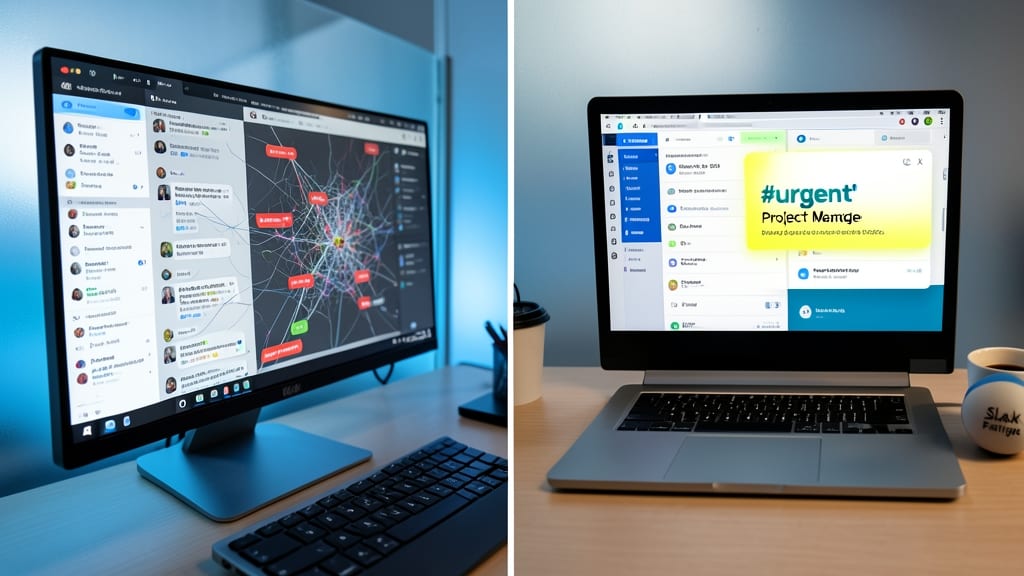
Project managers drowning in Slack messages and email threads can finally breathe easier—Teams’ reminders feature lets you pin deadlines directly to specific channels or entire teams. No more playing phone tag to confirm task statuses or chasing down overdue items.
Simply create a reminder and tag the relevant channel or team—everyone gets notified in their feed, with a clear deadline visible in the conversation thread. You can even add @mentions to flag specific team members, ensuring accountability without the back-and-forth. The best part? These reminders sync with your Teams activity feed, so no one misses critical updates buried in DMs.
Perfect for agile teams or cross-functional projects where deadlines span multiple departments. No more missed handoffs or last-minute scrambles—just real-time alignment built into your workflow. 💪
Automating Reminders with Power Automate Flow
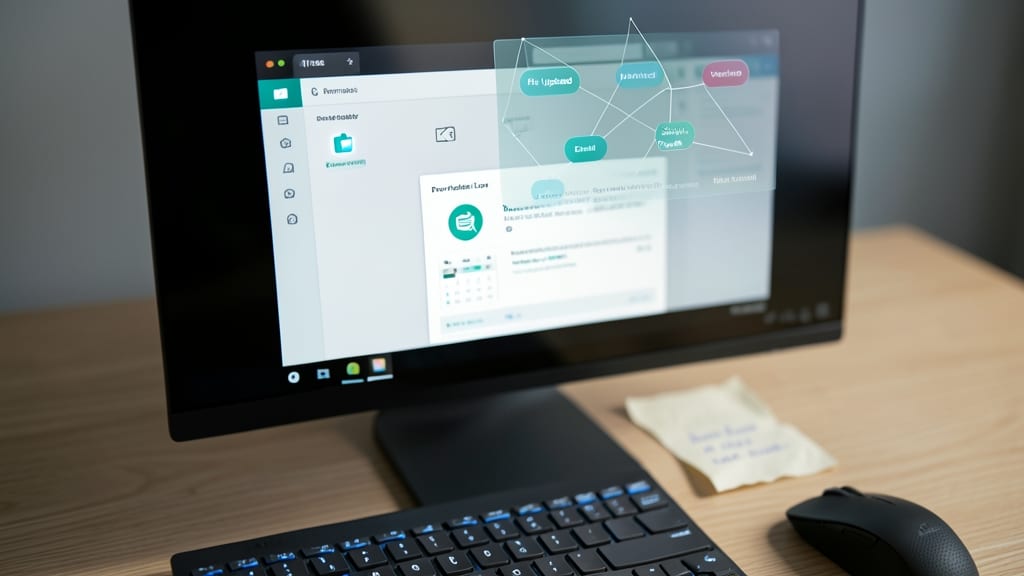
Tired of manually setting reminders when Teams could do the work for you? Power Automate Flow lets you automate reminders based on real-time triggers—like when a file is updated, an email arrives, or a SharePoint task is assigned—so you never miss a beat.
With zero-code setup, you can create flows that send Teams reminders automatically when a new Excel file is saved to OneDrive, or when a critical email lands in your inbox. The integration with Teams reminders ensures alerts appear right where you work, without lifting a finger. No scripting skills needed—just drag-and-drop logic.
Perfect for IT admins, project coordinators, or anyone drowning in repetitive tasks. Build a fully automated workflow in minutes and reclaim hours of manual effort. ✨