
Tip & Trick
Mastering keyboard shortcuts can transform your typing speed and productivity. These 10 underused symbols starting with 'A' offer hidden shortcuts for formatting, special characters, and advanced text manipulation across Windows, Mac, and Linux systems.
Accented Characters Using Alt Codes

Need to type é, ñ, or ü without switching keyboard layouts? Alt codes let you generate accented characters instantly on Windows—just hold Alt, type the numeric code (e.g., Alt+0233 for é), then release. This trick works for 150+ special characters, from French café (café) to German über (über).
No extra software required—just enable Num Lock and use your number pad for precise codes like Alt+0220 (à) or Alt+0241 (ñ). Perfect for language learners or when writing in multiple languages. Pro tip: Save these codes in a text file for quick reference.
Whether you're drafting emails in Spanish or annotating documents with French terms, this zero-config method keeps your workflow smooth. ✨
Arrow Symbols for Directional Markers

Tired of typing "go to the right" when a simple arrow will do? The right arrow (→), left arrow (←), up arrow (↑), and down arrow (↓) symbols are your secret weapon for clear, concise direction indicators in any technical document.
On most keyboards, these symbols require Alt + number pad combinations (e.g., Alt + 0187 for →, Alt + 0171 for ←). They’re perfect for flowcharts, user manuals, or coding comments where visual cues save time and space. The Unicode versions (→, ←, ↑, ↓) also work seamlessly in digital formats like PDFs and Markdown.
Engineers, designers, and writers will love how these symbols replace lengthy explanations—ideal for process diagrams or API documentation where precision matters. ⚡
Angstrom Symbol for Scientific Text

Precision matters in scientific writing, and the Å symbol (angstrom) is your go-to for atomic-level measurements. Representing 10^-10 meters, it’s the standard unit for bond lengths, crystal structures, and molecular distances in chemistry and physics papers.
Most keyboards don’t include it natively, but you can type it using Alt+0197 on Windows or Option+Shift+A on Mac. For LaTeX users, \text{Å} or \AA inserts it seamlessly. This symbol isn’t just academic—it’s critical for engineering specs and material science research where exact dimensions define properties.
If you work with X-ray crystallography, spectroscopy, or nanotechnology, this symbol saves time and ensures accuracy. No more manual lookups—just type and focus on the science. ✨
Alpha Symbol for Mathematical Equations
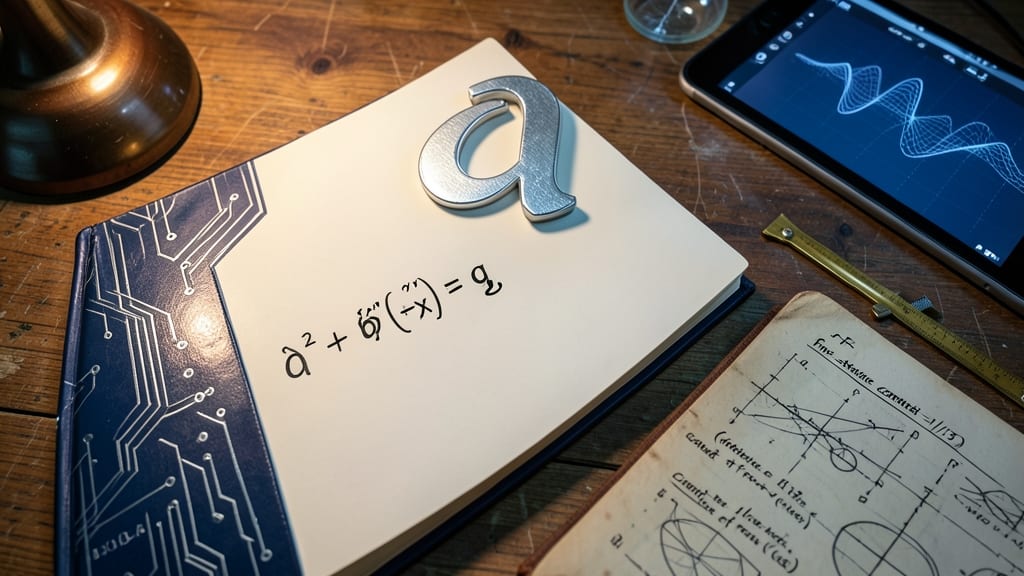
For anyone working with mathematical notation, the alpha symbol (α) isn’t just a Greek letter—it’s a foundational building block in equations. Whether you’re solving calculus problems or writing physics papers, α often represents variables like angles, coefficients, or even fine-structure constants.
On most keyboards, you can type α using Alt + 0333 (Windows) or Option + a (Mac), though many math-focused keyboards include it directly. In LaTeX, simply type \alpha to generate the symbol instantly. Its clean, elegant shape makes it ideal for professional typesetting and academic publishing.
Engineers, physicists, and students will find α indispensable for precise notation, while developers using symbolic math libraries (like SymPy) rely on it for variable declarations. Mastering this symbol streamlines complex writing—no more fumbling with fonts or approximations. ✨
Ampersand Symbol for Legal Documents

Ever noticed how legal documents seem to cram "and" into a single character? That’s the power of the ampersand (&)—a compact, space-saving symbol that’s been a staple in contracts, trademarks, and corporate writing for centuries.
Found on most keyboards (usually via Shift+7), this elegant symbol replaces the word "and" while maintaining clarity. In legal drafting, it’s standard for trademarks (e.g., "Microsoft & Partners") and contracts, where brevity is key. Even in programming, it’s used in shell scripts (e.g., ls *.txt &) to run commands in the background.
Perfect for lawyers, business professionals, or anyone drafting formal documents, the ampersand saves space and adds a touch of professionalism. Try it in your next email signature! ✨
Asterisk Symbol for Notes and Citations

Need to mark important findings, add footnotes, or highlight text in research papers? The **asterisk (*) is your go-to symbol for academic writing and technical documentation. It’s widely recognized for citations, warnings, or denoting special notes—think of it as the universal shorthand for "pay attention here."
On most keyboards, it’s located near the Shift+8 key, but you can also use Alt+37 (Windows) or Option+8** (Mac) for quick access. In LaTeX, it’s \ast for a centered symbol or * for inline use. Many citation styles (APA, MLA) even require asterisks for footnotes, making it indispensable for graduate students and researchers.
Perfect for anyone drafting papers, coding documentation, or annotating technical manuals—it’s the zero-config way to add clarity without clutter. ✨
At Symbol for Email Addresses

The @ symbol is the quiet hero of modern digital communication—without it, your email address wouldn’t exist. This humble character, born in 1967 as part of ARPANET’s email protocol, now powers billions of daily interactions, from work emails to Slack messages. Its simplicity belies its power: a single keystroke that separates usernames from domains, enabling everything from SMTP protocols to social media handles.
On most keyboards, it’s tucked next to the ‘2’ key (hold Shift or Alt Gr depending on layout). While it’s best known for email, it also appears in programming (e.g., @media queries in CSS) and username formats across platforms. Fun fact: The @ symbol is officially called an "at sign"—a nod to its maritime origins, where it stood for "at the price of." Today, it’s the backbone of digital identity.
For anyone who’s ever typed an email or logged into an app, this symbol is invisible yet indispensable. Whether you’re a developer, marketer, or casual user, mastering its role keeps your digital life connected. ⚡
Angled Brackets for Coding and XML
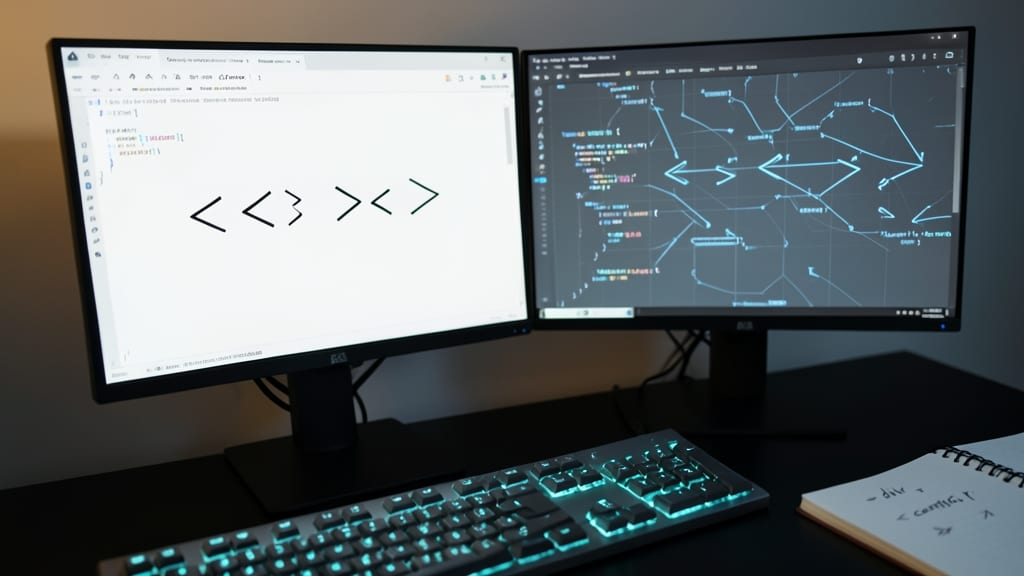
If you’ve ever written a single line of HTML, XML, or even configured a config file, you’ve already met the dynamic duo of angled brackets: < and >. These symbols aren’t just punctuation—they’re the backbone of markup languages, defining tags, attributes, and syntax that power everything from websites to programming frameworks.
In HTML, they wrap elements like `
`, while in XML, they structure data hierarchically (e.g., <book><title>...</title></book>). Programmers also use them for templates (e.g., <% %> in JSP) or angle brackets in C++ for type declarations like <vector<int>>. Typing them quickly via Shift+< (left bracket) and Shift+> (right bracket) saves time when coding, debugging, or editing configs.
Frontend developers, sysadmins tweaking configs, and data scientists parsing XML will find these brackets indispensable. Master them, and you’ll navigate codebases with confidence. ⚡
Apostrophe for Contractions and Possessives

Ever hit a typo because you forgot whether it’s "it’s" or "its"? The apostrophe isn’t just punctuation—it’s the secret weapon for contractions (don’t, can’t) and possessives (John’s laptop) in every email, report, or chat you send.
On most keyboards, it’s the key next to the Enter button (often shared with the double-quote key). Press Shift + ‘ to access it directly. While simple, this tiny mark saves time by avoiding awkward phrasing like "the dog of John"—just write John’s dog instead.
Writers, marketers, and even coders (for SQL queries like SELECT userid FROM users WHERE username = 'John') rely on it daily. Mastering it cuts down on edits and keeps your text polished. ✨
Alt Text Shortcut for Accessibility

Web accessibility isn’t just a checkbox—it’s a game-changer for inclusivity and SEO. The Alt+Shift+A shortcut in tools like WordPress, Adobe XD, and Figma lets you instantly add descriptive alt text to images, ensuring screen readers can interpret visuals while boosting search rankings.
This shortcut bypasses manual navigation to the alt text field, saving time during design sprints. For example, replacing an image’s filename (IMG_1234.jpg) with a clear description ("Team meeting at Red Rocks Amphitheater") improves both accessibility and discoverability. Most modern editors support this shortcut natively, with no extra plugins needed.
Ideal for developers and designers prioritizing WCAG compliance, this shortcut turns a tedious task into a one-tap action. Master it, and you’ll build more inclusive, search-friendly sites effortlessly. ✨