
Troubleshooting
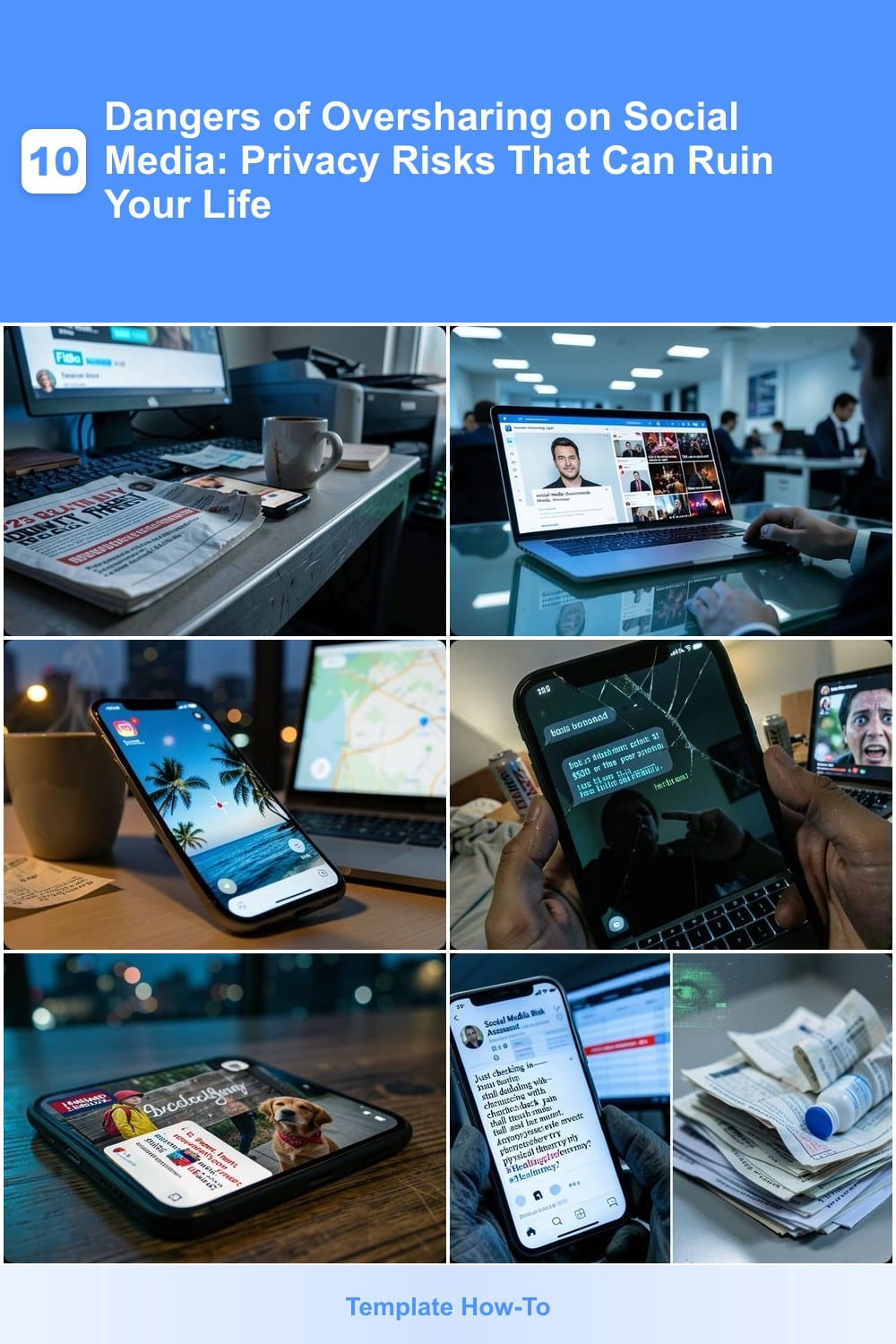
Posting too much online can expose you to serious risks—from identity theft to workplace termination. These 10 dangers of oversharing on social media highlight why privacy matters more than ever in today’s digital age.
Identity Theft Through Personal Details
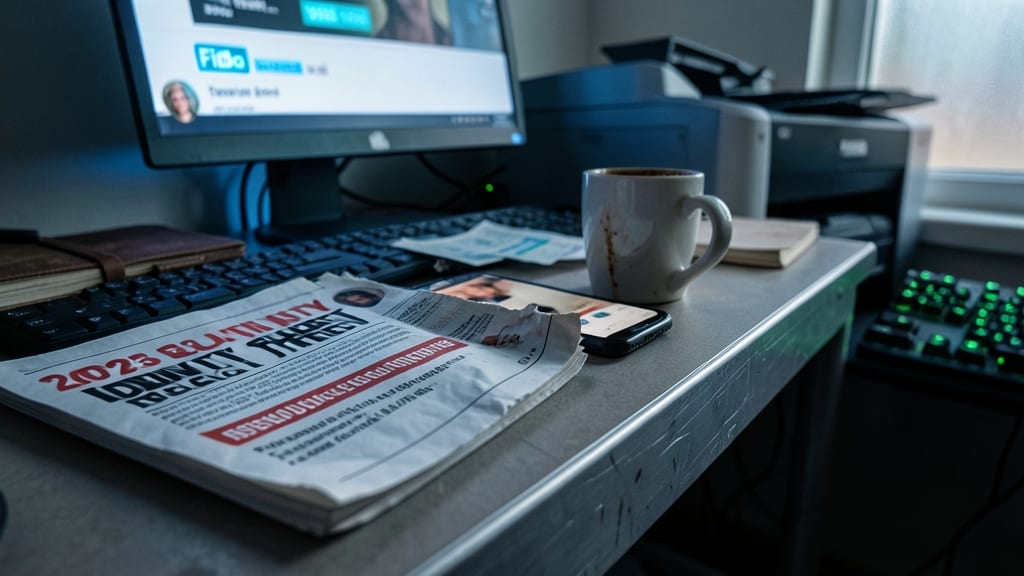
Think your childhood pet’s name is harmless to share? Scammers use birthdays, addresses, and even pet names to hijack accounts, open credit cards, or drain bank accounts—often with just one overshared post. A 2023 Identity Theft Resource Center report found that 68% of identity theft cases start with publicly available personal details from social media.
Criminals cross-reference your birthday (for security questions), address (to intercept mail), and pet names (to reset passwords) to unlock accounts. One overshared vacation photo with a geotag or a post about your new home address can trigger a wave of fraudulent applications in your name. Even seemingly innocent details—like your favorite sports team—can be used to guess security answers.
If you’ve ever posted your birth month/year, home city, or kids’ school names, you’re already at risk. The best defense? Audit your profiles for publicly visible personal details and enable two-factor authentication on financial accounts. 💻
Job Loss from Inappropriate Posts
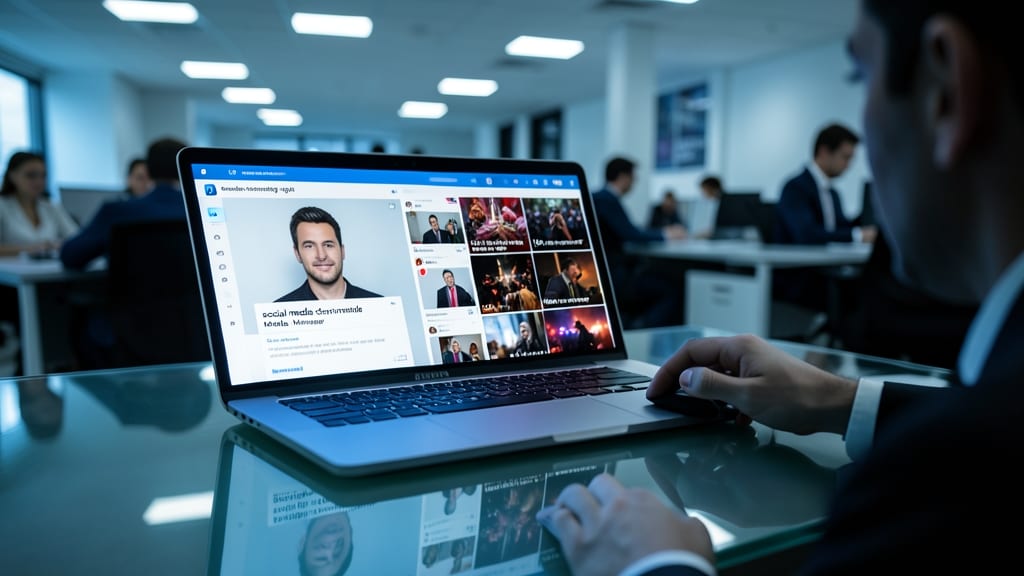
Did you know 70% of recruiters now screen candidates’ social media before interviews? A single unprofessional post—whether it’s a political rant, offensive joke, or even a poorly worded complaint—can derail your career faster than you’d think.
Companies like LinkedIn and Facebook integrate with hiring platforms, flagging content that contradicts your resume or company values. Even seemingly harmless posts—like venting about a boss or sharing party photos—can raise red flags. Glassdoor surveys reveal that 43% of hiring managers have rejected candidates based on social media alone, while 22% of promotions were revoked due to controversial online activity.
If you’re job hunting, freelancing, or simply climbing the corporate ladder, auditing your profiles and enabling strict privacy settings is non-negotiable. A quick search for your name could reveal more than you’d expect. 💻
Stalking and Harassment Risks
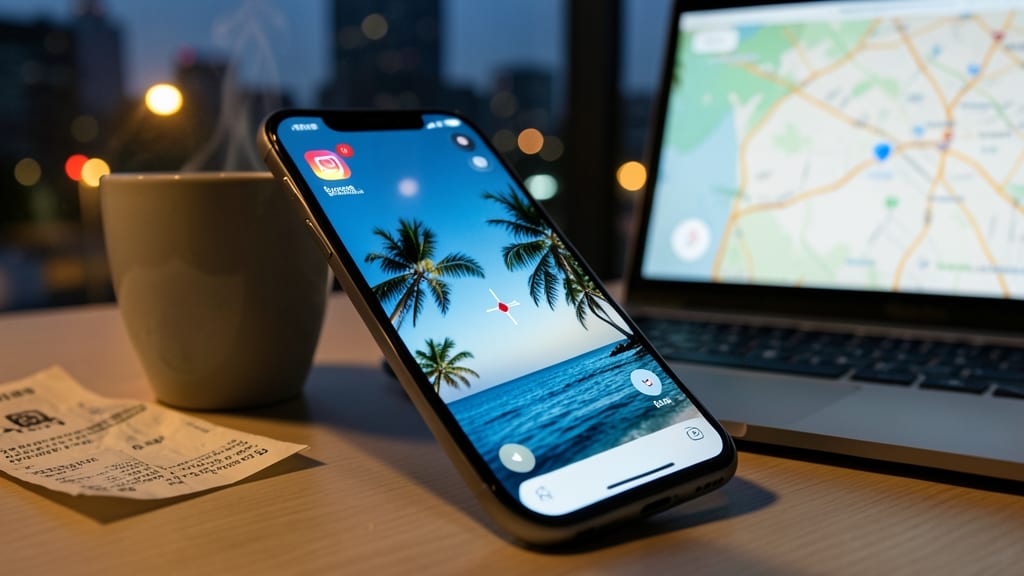
Your seemingly harmless vacation posts or daily check-ins might be giving away more than you realize. A single geotagged photo or routine update can create a digital breadcrumb trail that predators or stalkers use to track your movements in real time.
Platforms like Instagram and Facebook default to sharing location data unless manually disabled, exposing when you’re home alone, away on trips, or following predictable schedules. Even seemingly innocent posts—like "Heading to the gym at 6 AM"—can signal vulnerability. Harassment cases linked to oversharing have surged as criminals exploit this data to plan physical confrontations or cyberstalking campaigns.
This risk isn’t just theoretical—it’s a growing threat for anyone with a public profile. Parents, professionals, and public figures are especially vulnerable, but even casual users can become targets. Always review privacy settings and think twice before posting real-time updates. 💻
Blackmail and Sextortion Scams
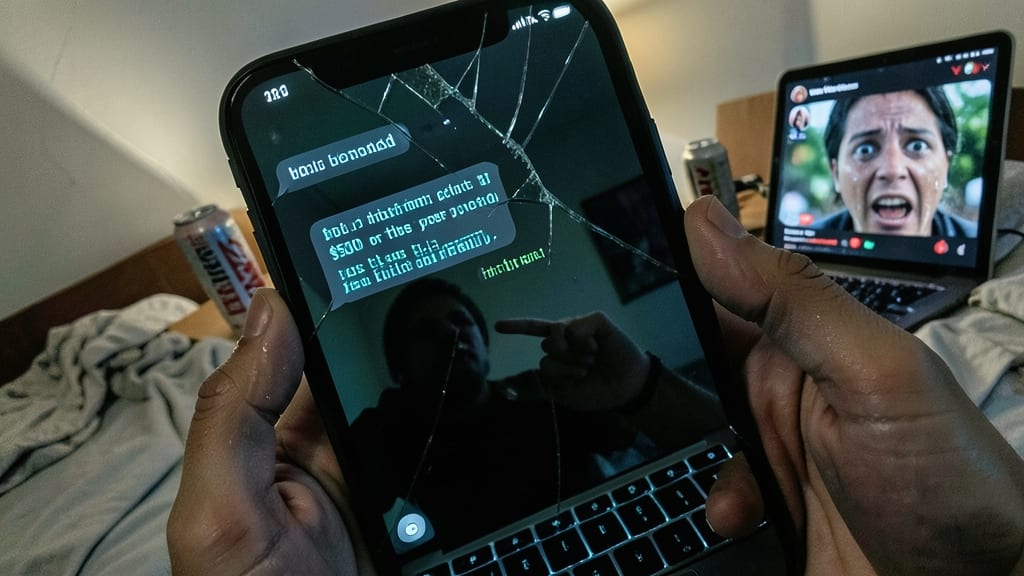
One private message or a single overshared photo could turn into your worst nightmare—scammers are increasingly using blackmail and sextortion as weapons. These predators exploit trust by demanding money or threatening to expose sensitive content to your contacts, family, or even the public.
Scams often start with a fake profile or compromised account, then escalate by threatening to leak private conversations, explicit images, or embarrassing details unless you pay. The FBI reports over 20,000 sextortion cases in 2022, with victims often pressured into paying hundreds or thousands of dollars—even when the scammers have no real leverage. Some use AI-generated deepfake videos to fabricate evidence, making threats feel terrifyingly real.
This risk isn’t just for adults—teens and young adults are prime targets due to oversharing on platforms like Snapchat or Instagram. Always verify senders, avoid sharing explicit content, and report threats immediately. 💪
Phishing Attacks Using Shared Info
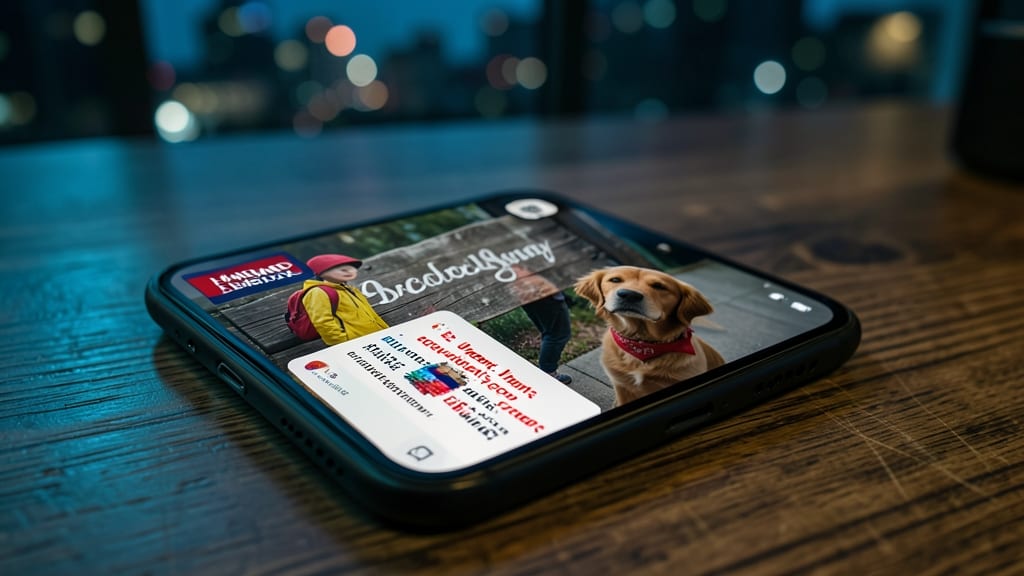
That "innocent" Facebook post about your kid’s first day at Harvard Elementary or your dog’s name, "Biscuit," might seem harmless—but scammers weaponize these details to craft hyper-personalized phishing attacks. A fake "account security alert" email referencing your pet’s name or your child’s school makes you far more likely to click malicious links or download malware.
These attacks often mimic trusted platforms like PayPal, Amazon, or even your bank, using urgent language ("Your account was locked!") to bypass skepticism. 73% of phishing attacks now rely on personalized details scraped from social media, according to a 2023 IBM report, and tools like Have I Been Pwned confirm these tactics work—once your info is exposed, it’s just a matter of time.
Small business owners and parents are especially vulnerable, as their profiles often contain high-value details like work projects or family schedules. Always verify sender addresses and hover over links before clicking—even if the email feels "too real." 💻
Insurance Fraud from Health Posts
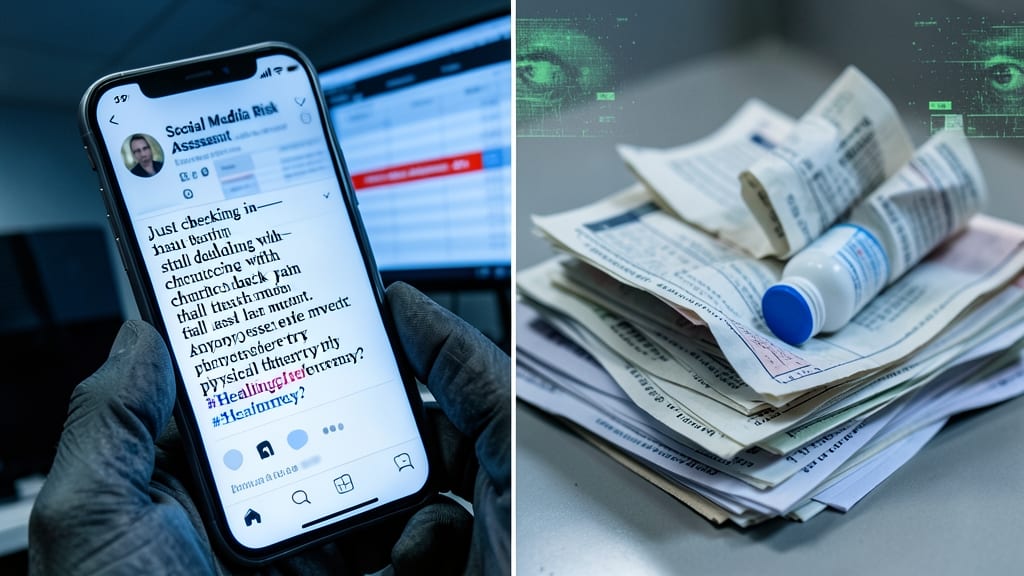
Your "just checking in" health update might seem harmless, but insurers actively monitor social media for medical red flags. A single post about chronic back pain, mental health struggles, or even a routine prescription refill could trigger premium hikes or claim denials—with no way to appeal.
Companies like LifeWise and Allianz have admitted using public posts to adjust risk profiles, while platforms like Facebook partner with data brokers to sell health-related search trends. Even vague symptoms—like "not feeling well" after surgery—can be flagged by algorithms trained to spot high-risk patterns. The average policyholder doesn’t realize their "support group" post could cost them thousands in coverage down the line.
This risk hits hardest for those with pre-existing conditions or those applying for new policies. If you’re job hunting, dating, or simply advocating for health awareness, think twice before posting—your digital footprint might be underwriting your future. ✨
Family Safety Compromised
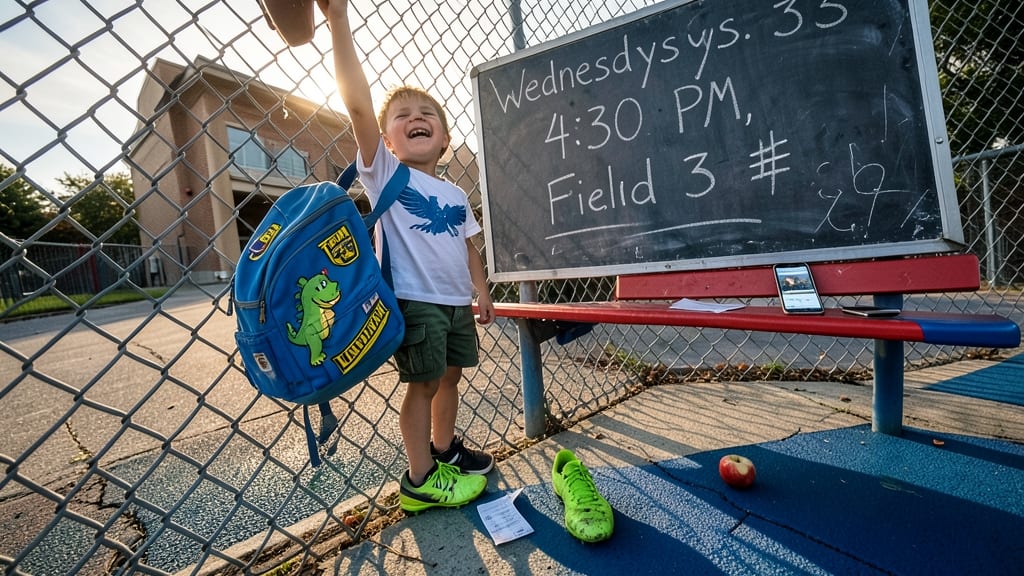
That innocent post about your child’s first day at school or their soccer game schedule might seem harmless—but it’s a goldmine for predators and stalkers. A single overshared location or routine can make your kids prime targets for online grooming, physical tracking, or even kidnapping attempts.
Platforms like Facebook, Instagram, or even parenting forums often lack robust child-safety filters. A geotagged photo of their school bus stop or a live-streamed recital reveals predictable patterns. Even "private" school group chats can leak details to the wrong people. Experts warn that 90% of child predators use social media to identify and approach victims.
Parents of kids in extracurricular activities (sports, Scouts, or arts programs) should be especially cautious—these groups are frequent targets. Use platform-specific privacy tools (like Instagram’s "Close Friends" or Facebook’s audience restrictions) and avoid posting real-time updates. Your child’s safety isn’t worth a quick like. 💪
Legal Consequences for Sensitive Content
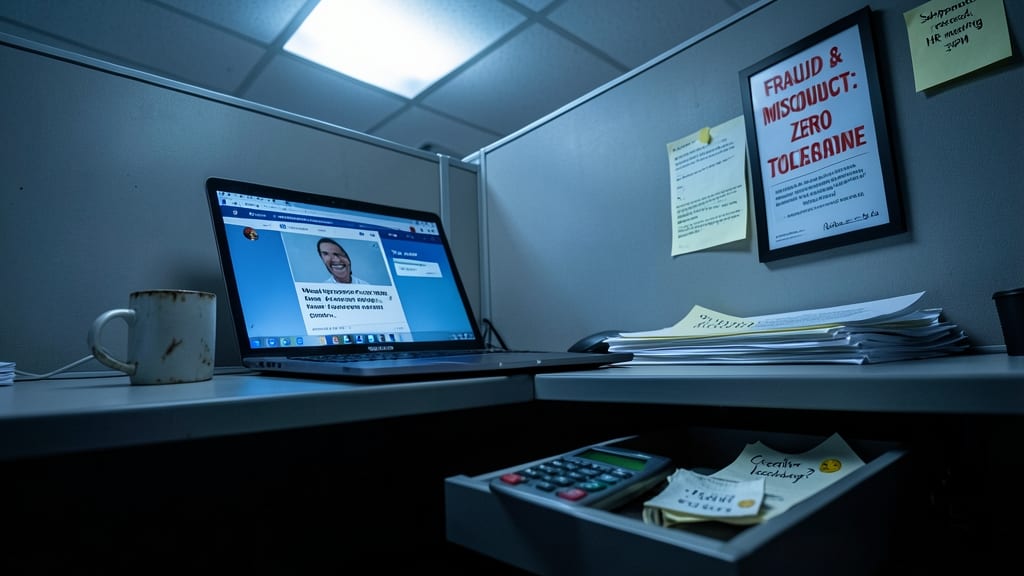
That "harmless" joke about embezzling from work or bragging about a "creative" tax loophole could haunt you in ways you never imagined. Courts and employers increasingly subpoena social media accounts—and even a deleted post might still exist in cached archives or screenshots shared by others.
Your public posts (or even private messages) about criminal activity, workplace misconduct, or illegal discussions can be used as admissible evidence in court cases, lawsuits, or internal investigations. For example, a 2022 case in Texas saw a defendant’s social media posts about drug deals used to secure a conviction. Meanwhile, employers have fired employees for posts mocking company policies or discussing confidential projects—even if the posts were years old.
Freelancers, contractors, and professionals in regulated industries (finance, healthcare, law) face the highest risk. Always assume nothing is truly private—and think twice before posting anything that could be twisted into a legal or professional liability. 💪
Social Media Addiction and Mental Health
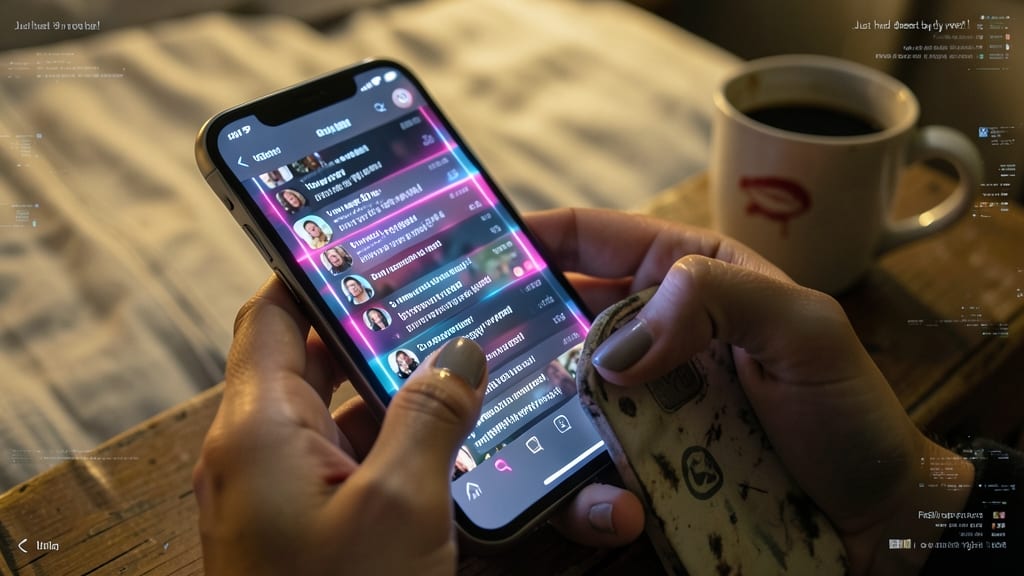
Your social media feed might feel like a harmless scroll, but constant oversharing can rewire your brain—triggering dopamine spikes from likes and comments, while also feeding anxiety loops from comparison culture.
Studies show that excessive posting correlates with higher rates of depression and FOMO (Fear of Missing Out), as algorithms prioritize engagement over well-being. Worse, manipulative groups—like cults or toxic communities—use oversharing to identify and recruit vulnerable individuals by analyzing your emotional patterns and life details.
If you find yourself mindlessly posting or refreshing for validation, it’s time to hit pause. Mental health experts recommend digital detoxes and auditing your social media habits to break the cycle. 💡
Corporate Espionage from Work Posts

That "innocent" LinkedIn post about your company’s new AI project timeline might be more valuable to rivals than you think. A single overshared update—like client names, internal metrics, or product roadmaps—can give competitors a head start they can’t recover from, even if unintended.
Industry reports show 60% of corporate leaks originate from employee social media posts, often shared in "bragging" or "networking" contexts. Even seemingly harmless details—like a Q2 revenue target or supply chain partner—can be pieced together by competitors using open-source intelligence (OSINT) tools to reverse-engineer strategies. One misplaced post could cost your company millions in lost contracts or market share erosion.
This risk isn’t just for executives—entry-level employees in R&D, sales, or operations often unknowingly expose critical intel. If your role involves client interactions, product development, or internal updates, a single post could unintentionally hand competitors a blueprint for your next move. 💻